

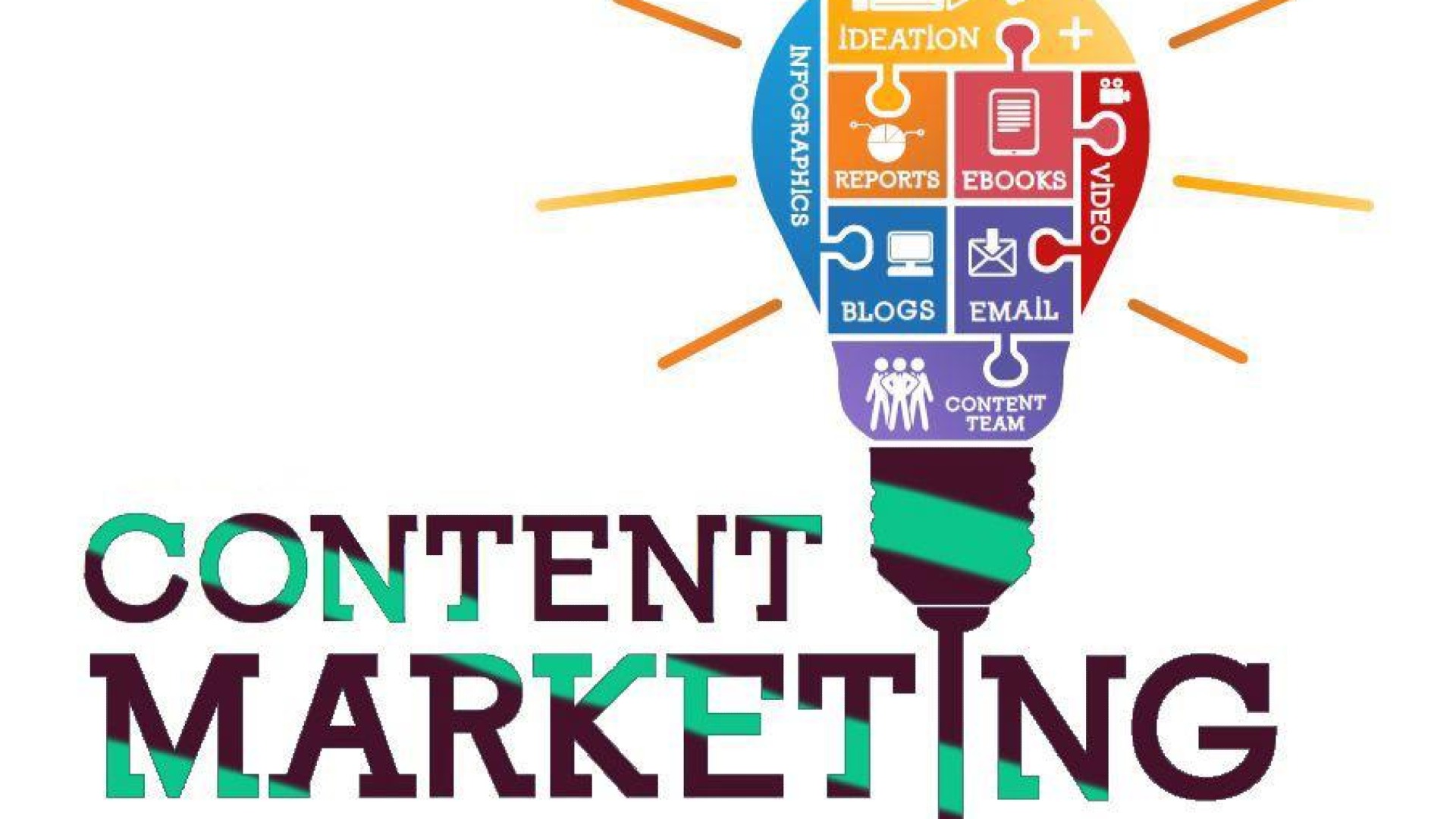
Content Marketing: How Valuable Content Helps Businesses Grow
These days people spend a lot of time online before buying something. They search on Google check media watch videos or read reviews. Because of this businesses can’t just push their products. They need to give people information they can actually use.
This is where content marketing comes in.
Content marketing helps businesses connect with their audience by sharing relevant and engaging content. A solid content strategy can help a business reach people bring visitors to its website build trust generate leads and support long-term growth.
What is Content Marketing?
Content marketing is a marketing approach where businesses create and share useful content for a specific group of people.
The main goal isn’t always to sell something away. Instead the content should answer questions solve problems give information and help people make better choices.
For example a skincare brand could publish a blog titled How to Choose the Right Face Wash for Your Skin Type. Someone searching for this info might find the blog learn something and start recognizing the brand.
Businesses can also pair content marketing with strategies like Search Engine Optimization (SEO) to appear more often online.
Why Do Businesses Need Content Marketing?
Most customers do research before buying. They might search Google watch YouTube browse media or read reviews.
Good content lets businesses be there during that research.
Some key benefits of content marketing include:
- Builds brand awareness
- Increases website traffic
- Supports SEO performance
- Builds customer trust
- Generates potential leads
- Improves audience engagement
- Supports. Conversions
- Helps establish industry authority
When a business regularly shares content it can stay connected with its audience and build stronger relationships with potential customers.
Types of Content Marketing
Content marketing isn’t blog posts. Businesses can use different types depending on their audience, industry and goals.
1. Blog Posts
Blogs are a way to share detailed information on a topic.
Businesses can write blogs about:
- Industry-related topics
- How-to guides
- Tutorials
- Frequently asked questions
- Product information
- Industry trends
- Common customer problems
SEO - blog content can also help attract visitors from search engines. Businesses can learn more about marketing strategies to see how SEO and content marketing work together.
2. Social Media Content
Social media is a way to talk to your audience and stay connected.
Common formats include:
- Reels
- Carousels
- Images
- Stories
- Short videos
- Educational posts
- Customer testimonials
Engaging social media content can boost interactions and make more people aware of the brand.
3. Video Marketing
Videos are now a way for businesses to communicate. They can explain products, show services, answer questions or share helpful tips.
For example a digital marketing agency could make videos about SEO, Google Ads, social media marketing or content creation.
4. Email Marketing
Email marketing helps businesses stay in touch with customers and potential leads.
Businesses can send emails with:
- Newsletters
- Special offers
- products
- Company updates
- content
- Helpful tips
When emails are relevant and useful they help maintain stronger relationships with the audience.
5. Infographics
Infographics combine text and visuals to explain information simply.
They’re great for sharing statistics, processes, comparisons and step-by-step guides. They also make complex topics easier to understand.
How to Build an Effective Content Marketing Strategy
Just creating and posting content isn’t enough. Businesses need a plan to get better results.
Understand Your Audience
First figure out who you’re creating content for:
Find out what they need what questions they have what problems they face and what kind of information they’re looking for.
When you know your audience better you can make content that’s more useful and relevant.
Choose the Right Topics
Pick topics that connect with your business and give value to your audience.
Keyword research can show what people are searching for online. These search terms can guide blog posts, videos, social media content and other helpful resources.
Create High-Quality Content
Making a lot of content doesn’t always mean results. Quality matters more.
Good content should be:
- Informative
- Original
- Relevant
- Easy to understand
- Well-structured
- Helpful
Importantly, it should give real value not just try to sell.
Use SEO
SEO helps your content show up in search results when people look for topics.
Businesses can naturally include keywords in:
- Blog titles
- Headings
- content
- Meta descriptions
- Image alt text
- URLs
Keywords should be used naturally. Overusing them can make content hard to read and hurt the user experience.
Promote Your Content
Just publishing content doesn’t mean people will see it. Businesses should promote it on platforms where their audience is active.
Some channels include:
- YouTube
- Search engines
- Paid advertising
Promoting content helps reach people and bring visitors to your website or social media pages.
Track Your Performance
After publishing check how your content is doing.
Important metrics include:
- Website traffic
- Engagement rate
- Clicks
- Leads
- Conversions
- Social media reach
- Time spent on a page
These numbers show what’s working and where you can improve.
Content Marketing vs Traditional Advertising
Traditional advertising usually pushes a product or service directly. Content marketing takes an approach. It shares useful information before asking people to buy.
For instance of saying "Buy our digital marketing service" a business could create a guide called "How Small Businesses Can Generate More Customers Online.”
This kind of content attracts people interested in the topic. Over time they may get to know the business and consider its services when they’re ready to buy.
Common Content Marketing Mistakes
Some businesses struggle with content marketing because they focus on making content of providing value.
Common mistakes include:
- Creating content without a strategy
- Not understanding the target audience
- Posting inconsistently
- Focusing much on selling
- Ignoring SEO
- Choosing topics
- Not promoting published content
Failing to measure results
Avoiding these mistakes helps build a consistent and useful content plan.
The Future of Content Marketing
Content marketing keeps changing as technology and customer habits evolve. Short videos, personalization, AI tools and interactive content are becoming more common in marketing.
With these changes the core idea stays the same give useful information to the right people at the right time.
Businesses that understand what their audience needs and keep creating content can build stronger relationships and improve their online presence.
Content marketing is more than posting blogs or social media updates. It’s a long-term way to attract the people build trust and help a business grow.
From blogs and videos to media and email there are many ways to share useful information with customers.
When combined with SEO and other digital marketing methods content marketing can boost visibility attract more customers generate leads and strengthen a brand.
Related Blogs

PCB Design Process Explained: From Schematic to Final Board Layout
Social Media Marketing for Small Businesses: How to Turn Followers into Customer

Why Brand Identity and Visual Strategy Matter More Than a Logo

Need Our Help With a
Digital Project ?
Share your requirements and we’ll get back to you with how we can help.